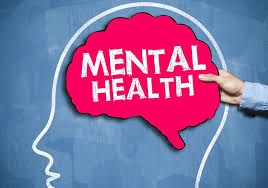
Mental Health Awareness: Why It Matters More Than Ever

In our fast-paced world, we talk a lot about physical health—what to eat, how to stay fit, and ways to boost immunity. But what about mental health? It’s just as important—sometimes even more so. Mental health affects how we think, feel, act, and handle everyday stress. And yet, for many, it’s still a topic that lives in the shadows.
🌿 What Is Mental Health?
Mental health includes our emotional, psychological, and social well-being. It impacts:
- How we handle stress
- How we relate to others
- How we make choices
- Our ability to enjoy life
It’s not just about mental illness. Even if you’re not struggling with anxiety or depression, maintaining good mental health is vital for overall well-being.
🚨 Why Is Mental Health Awareness Important?
1. Reduces Stigma
For too long, mental health issues have been seen as a weakness. Talking openly helps normalize the conversation and makes it easier for people to seek help without fear or shame.
2. Encourages Early Intervention
The earlier someone gets support, the better the outcomes. Awareness can help people recognize the signs—both in themselves and others—and take action sooner.
3. Promotes Healthier Communities
Workplaces, schools, and families that prioritize mental wellness create more supportive, compassionate, and productive environments.
4. Saves Lives
Untreated mental illness can lead to substance abuse, self-harm, or suicide. Awareness can literally save lives by encouraging people to reach out for help.
🧘♀️ Simple Ways to Support Your Mental Health
Taking care of your mind doesn’t always require therapy or medication (though those are helpful and sometimes necessary). Here are a few everyday practices:
- Get Enough Sleep – Rest is crucial for emotional regulation.
- Move Your Body – Exercise releases endorphins, your brain’s feel-good chemicals.
- Talk It Out – Don’t bottle things up. Share with a friend or therapist.
- Limit Screen Time – Especially on social media; it can distort reality.
- Practice Mindfulness – Try deep breathing, meditation, or simply being present.
🗣️ How You Can Help Others
- Check In: Ask friends or family how they’re really doing.
- Be a Safe Space: Listen without judgment.
- Share Resources: Sometimes people don’t know where to start.
- Speak Up: Use your platform—whether it’s social media or a dinner conversation—to talk about mental health.
🛠️ When to Seek Professional Help
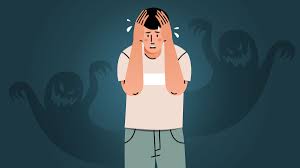
It’s okay to ask for help. Some signs you (or someone you love) might benefit from professional support:
- Constant sadness or hopelessness
- Withdrawal from loved ones
- Sudden changes in mood or behavior
- Trouble sleeping or eating
- Thoughts of self-harm
Don’t wait for a “breaking point.” Mental health check-ins should be as normal as physical check-ups.
📚 Final Thoughts
Mental health is health. Full stop.
Raising awareness isn’t about scaring people or labeling them. It’s about building a culture of understanding, compassion, and proactive care. Whether you’re thriving, struggling, or somewhere in between, know this: You’re not alone—and you deserve support.